
Lesson observation feedback that actually changes practice
Feedback that changes practice is specific, focused, quick and repeated. A termly observation struggles to be any of those.

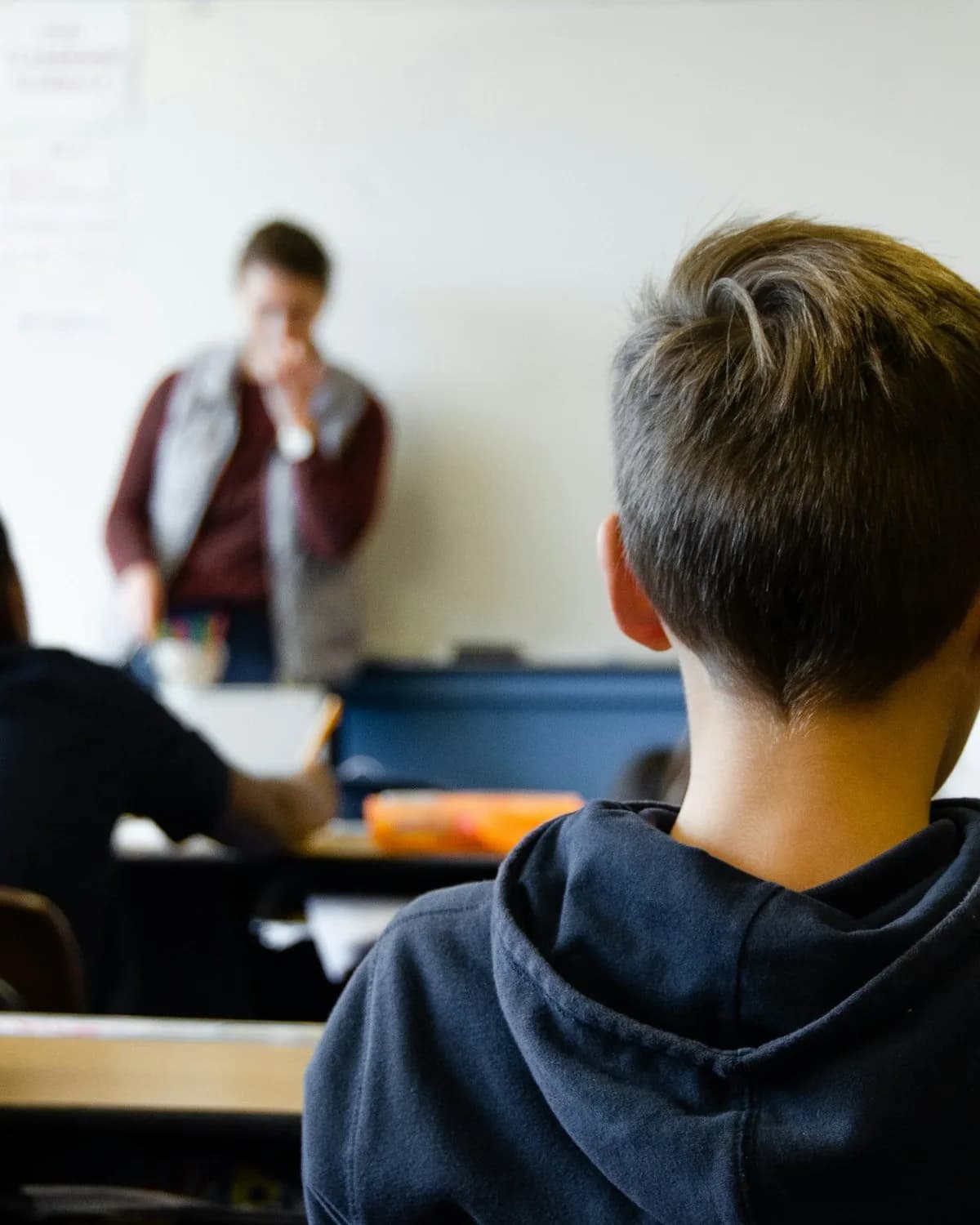
Think about the last formal observation you had. Someone sat at the back with a laptop for twenty minutes, and a few days later you got a page of notes: three strengths, four areas for development, a line about pace. How much of it changed what you did the following week?
For a lot of teachers the honest answer is very little, and that isn't because observers are doing a bad job. It's because the way observation feedback usually works runs against what the research says about how people improve.
The grade was never the point
Ofsted stopped grading individual lessons in schools in 2014 and in further education the following year, partly because a single graded snapshot told everyone very little about the quality of teaching over time. Many schools and colleges followed and dropped graded observations too. But the shape of the process often stayed the same: occasional, high-stakes, and written up after the event.
What makes feedback stick
The Education Endowment Foundation's guidance on effective professional development is clear that what matters most is the mechanisms inside it. Setting a specific goal, practising a technique and getting feedback on how it went are all on its list of mechanisms that make professional development work. The research on coaching points the same way. A review of 60 studies by Kraft, Blazar and Hogan found that coaching had a large effect on teachers' practice, and a meaningful effect on learners' results.
Put simply, feedback changes practice when it is:
- Specific. It points to a real moment in the lesson, not a general impression.
- Focused. One or two things to work on, not a list of seven.
- Soon. While the lesson is still fresh enough to remember.
- Repeated. So the teacher can try something, see whether it worked and adjust.
A termly observation struggles on every one of those. By the time the notes arrive the lesson is a blur, the list is too long to act on, and the next chance to see whether anything changed is months away.
Observation still matters
None of this means observers should stop going into rooms. A good conversation with an experienced colleague is one of the most valuable things a teacher can have. The problem is that it's rare, so it carries too much weight. When teachers also get frequent, low-stakes feedback of their own between those visits, the observation stops being a test and becomes a conversation about progress the teacher can already see.
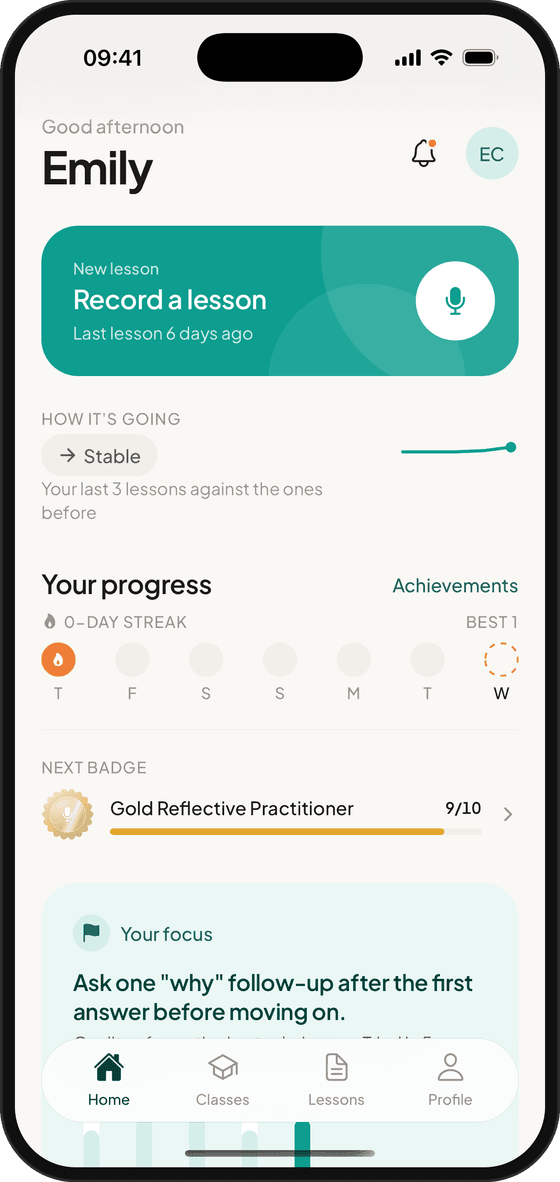
That's the gap EducAitor® was built to fill: a detailed report within about 30 seconds of any session the teacher chooses, with strengths backed by moments from the lesson and one or two things to try next. The report belongs to the teacher, and they decide what to share.
Sources
- Information for teachers about inspection: lesson observations (Ofsted, September 2014)
- Ofsted confirms the end of graded lesson observations in FE (UCU, 2015)
- Effective Professional Development guidance report (Education Endowment Foundation)
- The Effect of Teacher Coaching on Instruction and Achievement: A Meta-Analysis of the Causal Evidence (Kraft, Blazar and Hogan, 2018)